


Transnational Creativity and the Dynamics of World Making: A Journey in Zanzibar
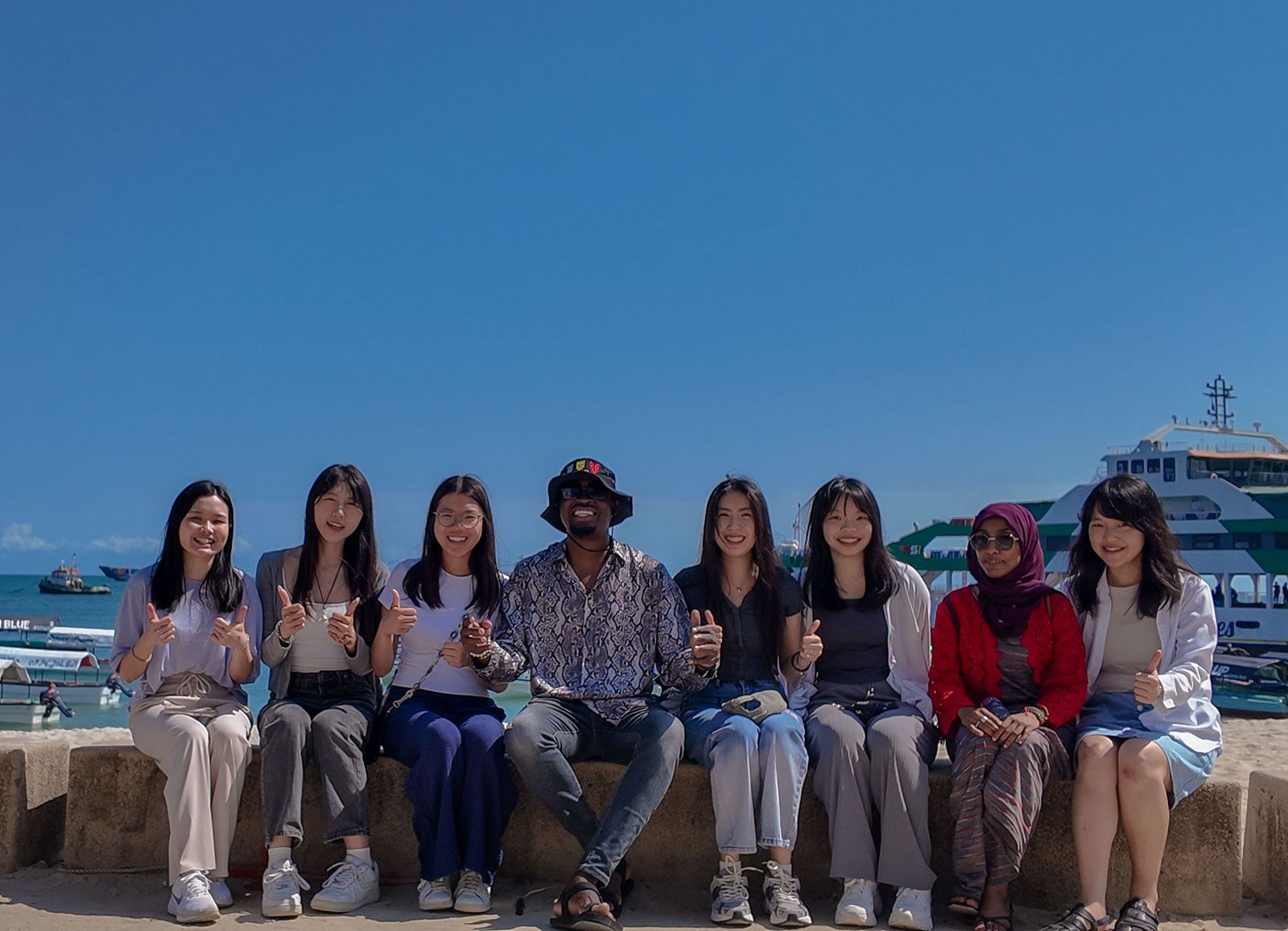
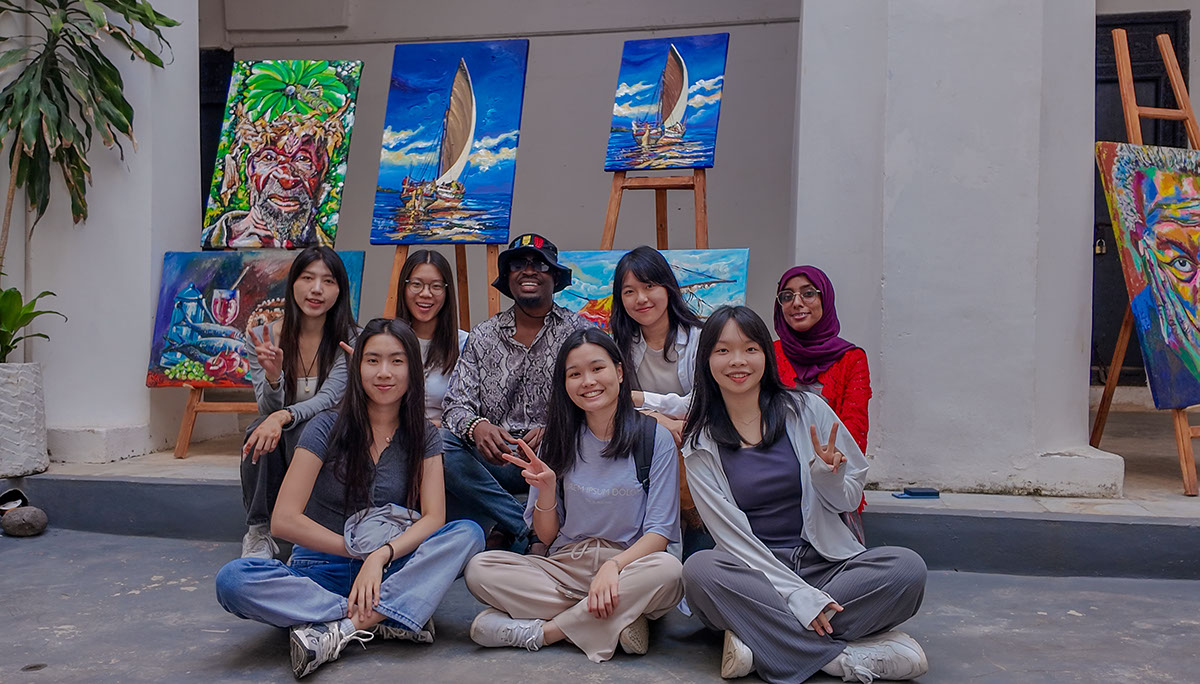
From July 4th to 11th, a transformative experience unfolded in Zanzibar, where a diverse group of 30 students from the Education University of Hong Kong, along with their three tutors, collaborated with five local Tanzanian tutors and five local students. This unique partnership aimed to explore the concept of Transnational Learning and Unlearning through an experiential study tour, culminating in an impressive array of creative media outputs.
The week-long program resulted in several remarkable outputs that showcased the creativity and collaboration of the participants:
A compelling documentary titled Becoming Maida captured the essence of the local culture and the students’ journey, highlighting the stories of individuals and communities.
A vibrant mural was created by the students, symbolizing their collective experiences and reflections on the themes of identity and authenticity in art.
A five-part Podcast series that tackled political themes relevant to both Hong Kong and Tanzania, providing a platform for students to voice their thoughts and engage in dialogue.
An Interactive VR Museum Program whose groundwork was laid for an innovative VR museum, which will serve as a digital repository of the students’ experiences, allowing future generations to explore the narratives created during the program.
Throughout the week, students participated in various workshops and activities that deepened their understanding of Tanzanian culture. They engaged with local artisans, participated in traditional dance and music sessions, and explored the historical significance of Zanzibar. This immersive experience fostered a sense of respect and appreciation for the local context, enriching the students’ learning journey.
The Transnational Creativity and the Dynamics of World Making program exemplifies the innovative educational practices that can emerge when diverse groups come together. The collaboration between students from Hong Kong and Tanzania not only produced impressive creative outputs but also nurtured a sense of global citizenship and responsibility.
As the participants returned to their respective countries, they carried with them not only the memories of a joyful ride but also a renewed commitment to fostering transnational connections. The experiences shared in Zanzibar serve as a testament to the potential of education to bridge cultural divides and create a more inclusive world.
In conclusion, the program from July 4th to 11th in Zanzibar was a celebration of creativity, collaboration, and cultural exchange. It highlighted the importance of educational initiatives that embrace diversity and encourage innovative thinking, paving the way for a brighter future where Asia and Africa walk hand in hand.